
7 Parenting Tips for Supporting Your Child’s Emotional Health During Online Schooling
The fact is that a child who lacks emotional stability finds it difficult to succeed academically. Children with emotional and behavioral problems suffer difficulties in school, while those with strong emotional intelligence tend to achieve higher academic results.
You might have thought it was short-term when online learning initially took the place of school bells—pajamas in maths class, no school bus, and lunch at home.
However, over time, what started as convenience began to slowly change the way kids interact, learn, and feel.
The fact is that a child who lacks emotional stability finds it difficult to succeed academically. Children with emotional and behavioral problems suffer difficulties in school, while those with strong emotional intelligence tend to achieve higher academic results.
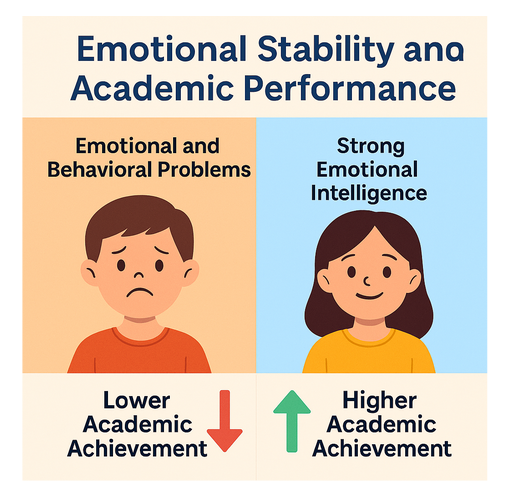
Correlation between a child’s emotional health and their academic performance.
Online education kind of places your child in a bubble, unlike traditional schools, where a teacher might notice a withdrawn expression or a classmate might smile. So, for this bubble to feel secure, noticed, and emotionally stable, you must be there for it.
Here are 7 practical, compassionate, and successful parenting strategies to support your child's mental well-being while they are enrolled in online courses.
1. Name it to Tame It. Assist Them in Labelling Emotions.
Youngsters frequently feel overwhelmed, but they don’t always have the words to describe it. Additionally, when they are unable to understand their emotions, they may come off as irritable, procrastination, or even totally disengage from their academic assignments.
"You seem frustrated—do you feel stuck with this subject?" is a simple place to start. or "Are you anxious about today's class?"
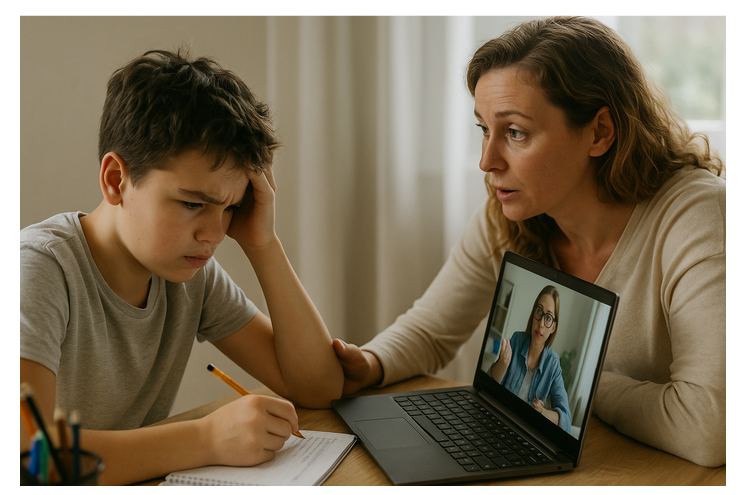
Assist them in relating feelings to circumstances. Children acquire control over their emotions when they can identify them.
A psychology degree is not necessary; all they need is your presence, curiosity, and a few strategically placed questions.
2. A Fixed Routine Supports Their Emotional Security
Routines provide predictability, which in turn provides emotional safety - children thrive on both.
You can ensure that their day flows gently but steadily. Stretching in the morning, eating breakfast before class, taking regular snack breaks, and setting aside intervals for study and play.
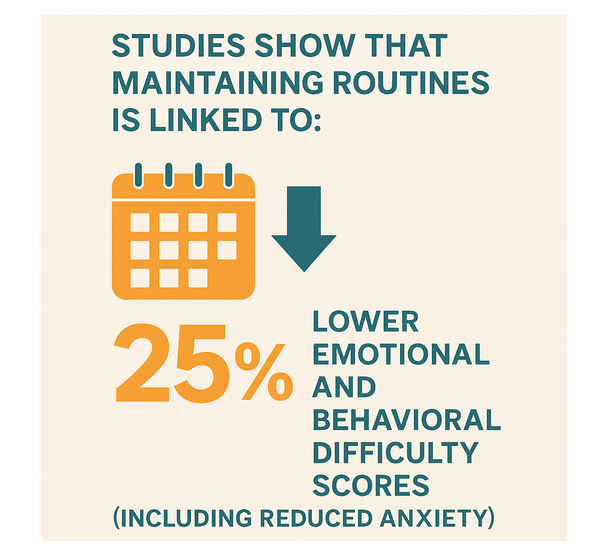
Correlation between routine and children’s emotional health.
This rhythm at home serves as an anchor for them when the outside world seems uncertain.
Bonus tip: Just like you would ask, "What's for lunch?", incorporate emotional check-ins into the routine. "How are you feeling today?" is a question you can ask.
3. Set an Example of Emotional Control
Even when you believe your child is concentrating on their screen, they are constantly observing you. They notice if you consistently scroll through your phone while eating dinner or slam your laptop shut after a frustrating Zoom call.
Demonstrate to them how to handle stress:
"To help me decompress after a challenging meeting today, I'm going for a walk."
Or: "It was distressing to hear that news. Together, let's take a few deep breaths.

Without giving them a single lecture, you are teaching them lifelong skills when you demonstrate how to manage emotions in a composed manner.
4. Time Without Screens is Sacred
A lot of screen time from online learning can cause emotional exhaustion. And, your child still requires warmth, laughter, and offline bonding.
Establish the sacred screen-free periods for things like dinner, walks after class, and fifteen minutes before bed to read or chat.
Ask strange queries. Tell your own tales. Give them the impression that they are more than just a student with homework.

Their emotional reserves are refilled, and digital burnout is avoided with these brief bursts of focused attention.
5. Look for Emotional Indications
"I'm emotionally overwhelmed" is not a common statement from children. "I hate this topic," they may say.
"Today, I don't want to log in." Or they might completely cut off communication.
Examine the underside. Unexpected alterations in energy levels, appetite, or sleep habits are warning indications that something is wrong. Emotional distress may also be indicated by a growing addiction to screens or a complete lack of interest in hobbies.

Just participate; don't freak out. Sometimes all it takes to get someone to open a door is to ask, "Want to talk or just hang out?"
6. Celebrate their Efforts, Not Just Results
Children who learn online may feel invisible. They turn in their assignments in vain, and neither teachers nor peers give them the customary "Good job!"
So, that voice is yours to be. Honour not only test results but also hard work, perseverance, bravery, and even the ability to learn from mistakes.
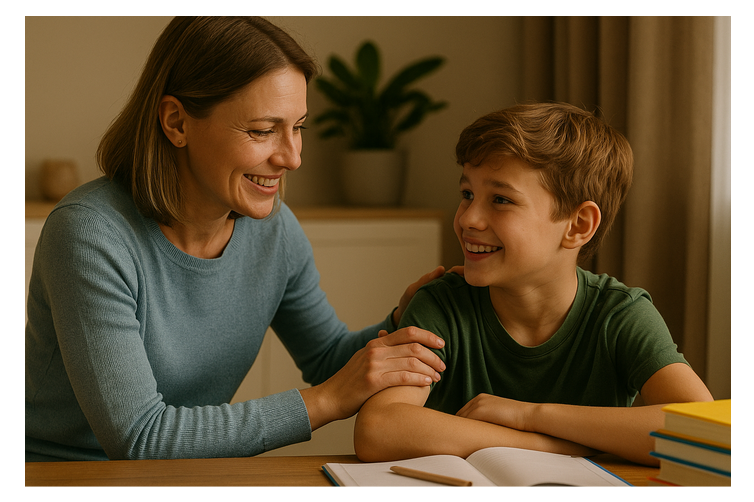
Try stating: "I'm proud of you because I saw how focused you were during that challenging assignment."
Or: "Even though the subject was dull, you persisted." That’s resilience.
They are reminded by this emotional support that their identity is more important than their score.
7. Establish a Secure Environment for Conversation at Any Time
Make it obvious that your child can reach out to you at any time. Not only during "serious conversations," but also just at any time when something doesn't feel right.

Some children converse while cooking, while drawing, or while playing with their favourite toy on the floor. Just be available; don't push it.
One successful strategy? "What was something that made you smile this week?" is a light-hearted way to end each week. Or "What felt difficult?"
These enquiries eventually turn into emotional check-in points for them, strengthening your bond.
In conclusion, you are the emotional mooring.
Even though a child enrolled in online education may not walk through school gates or hug the teacher at the end of the day, they still require an emotional compass. You are that.
You don't have to know everything or make all the changes right away. It can be transforming for your child that you are simply present. So just listen, and validate their experiences.
Because behind every emotionally strong child is not a perfect system—but a parent who stayed close, even from the sidelines.
Don’t worry, you’ve got this.
Suggested Read
7 Parenting Tips to Support Your Child in Online Schooling
More Family Time, Less Stress: How Online School Helps Parents Balance Work and Family
Mira Lew
Sep 09, 2025